Central Florida · Licensed & Insured
Emergency Roof Repair Orlando, FL
Sudden roof damage can leave your home exposed to water and further damage.
HomeShield Roofing, LLC provides emergency roof repair in Orlando for active leaks, missing shingles, fallen debris, exposed roof areas, and other urgent roofing problems.
We assess the damage, protect the property, and explain the next step.

5.0

Based on 215 Google Reviews

Get a free instant estimate
We use satellite imagery to measure your roof and provide an instant estimate for your roof replacement
- Instant Estimate
- No Hidden Cost
- Trusted Experts

Powered by Roofr
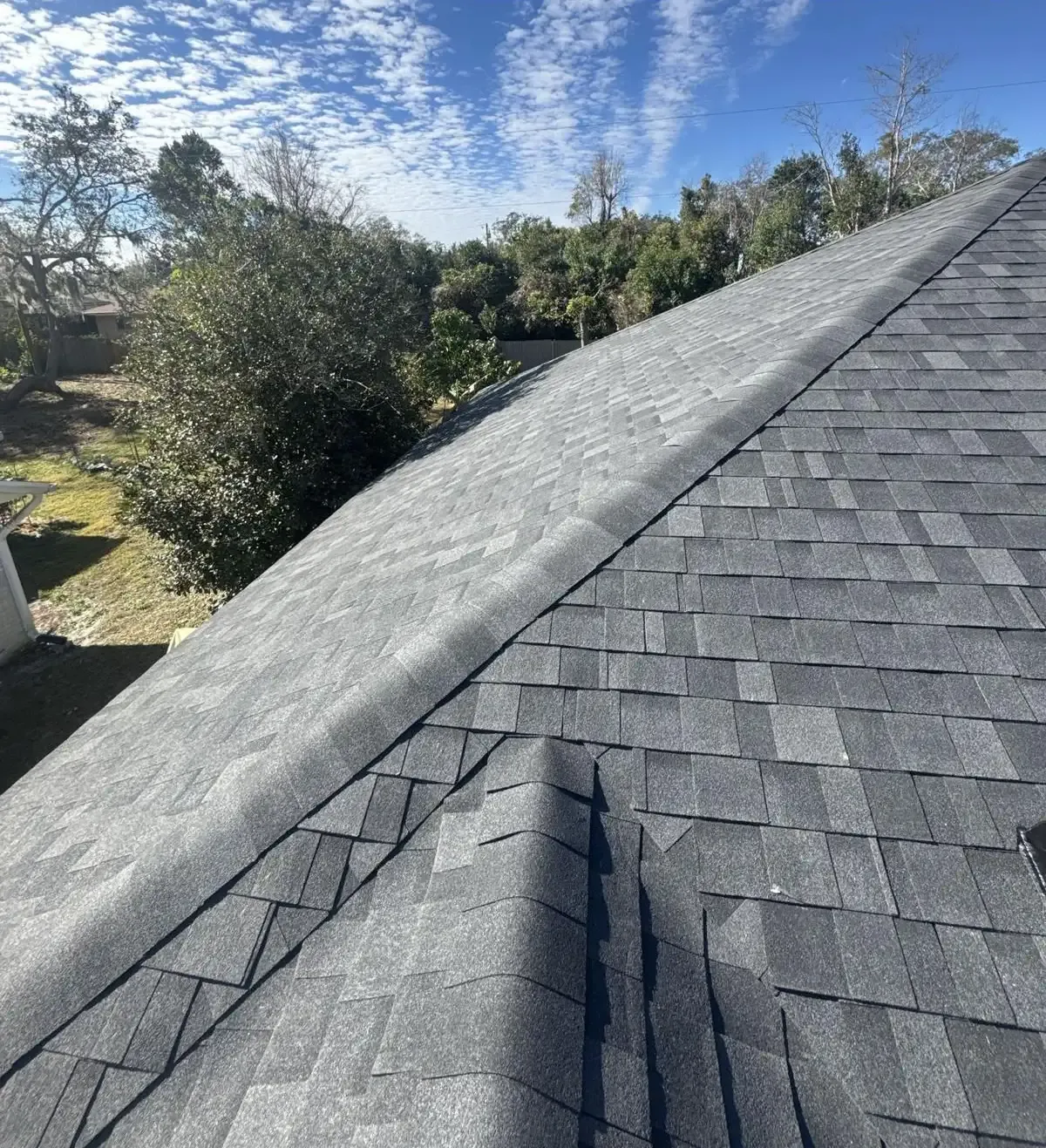
Emergency Roof Damage & Temporary Protection.
Some roofing problems can wait, but active leaks, exposed decking, missing shingles, fallen debris, severe wind damage, sagging areas, or failed flashing may need immediate attention.
If damage happens during a storm, stay off the roof, move valuables away from water, avoid electrical hazards, and keep clear of sagging ceilings.
When permanent repairs cannot be completed right away, temporary roof tarping may help protect exposed areas and reduce further water intrusion. Once conditions are safe, the roof should be inspected and a permanent repair plan put in place.

What Our Customers Say


5.0

Hilary Morris
5 months ago
5.0

Caroline
5 months ago
5.0

Nancy Sterling
5 months ago
5.0
Tim and Carlos were great to work with. Tim was very responsive during the quotation process and most accommodating to our requests…there were lower quotes but HSR provided the answers we needed and …
Hilary Morris
5 months ago


 Trustindex verifies that the original source of the review is Google.
 Trustindex verifies that the original source of the review is Google.
 Trustindex verifies that the original source of the review is Google.
 Trustindex verifies that the original source of the review is Google.
 Trustindex verifies that the original source of the review is Google.
 Trustindex verifies that the original source of the review is Google.
 Trustindex verifies that the original source of the review is Google.
 Trustindex verifies that the original source of the review is Google.
 Trustindex verifies that the original source of the review is Google.
 Trustindex verifies that the original source of the review is Google.

Ready for a roof you can rely on?
Our Emergency Roof Repair Process

01
Assess the Damage
We inspect for leaks, missing materials, flashing damage, exposed decking, debris, and other urgent concerns.
02
Protect the Property
Temporary protection may be used when permanent repairs cannot be completed right away.
03
Explain the Next Step
We explain what needs immediate attention and what repairs can wait.
04
Complete the Repair
Once conditions are safe, we complete the appropriate permanent roofing work.
Frequently Asked Questions About Emergency Roof Repair
HomeShield Roofing, LLC provides clear answers to common roofing questions in Orlando, FL. Learn what to expect and how to make the right decision for your property.
What qualifies as a roofing emergency?
Active leaks, exposed roof decking, fallen trees or branches, large areas of missing shingles, severe wind damage, or structural concerns may require urgent attention.
Can hail and heavy rain cause emergency roof damage?
Yes. Hail can crack or weaken shingles, while heavy rain can lead to leaks and water intrusion, especially when roofing materials or flashing have already been damaged.
What should I do immediately after storm damage?
Stay off the roof, protect the interior from water, and take photos of visible damage from a safe location. Good documentation can also be helpful if you later need to file an insurance claim.
Can a damaged roof be temporarily tarped?
Yes. Professional tarping can help protect exposed areas from additional water intrusion until permanent repairs can be completed. The tarp should still be inspected periodically because it is only a temporary solution.
What types of emergency roof repairs may be needed?
Emergency work can include leak detection, sealing, replacing damaged shingles, repairing flashing, removing storm debris, protecting exposed decking, and completing temporary weatherproofing.
Does homeowners insurance cover emergency roof damage?
Some policies cover sudden damage caused by wind, hail, falling debris, or other covered events. Coverage depends on the policy, cause of damage, deductible, and insurer. Clear photos and repair documentation can help support the claims process.
Do emergency roof repairs require permits in Orlando?
Some repairs may require permits depending on the scope of work. A licensed roofing contractor can determine which local permitting and building requirements apply.
Why should I use a licensed roofing contractor for emergency repairs?
Emergency roofing work can involve structural damage, slippery surfaces, electrical hazards, and building-code requirements. A licensed contractor can safely assess the damage and explain whether temporary repairs, permanent repair, or replacement is appropriate.